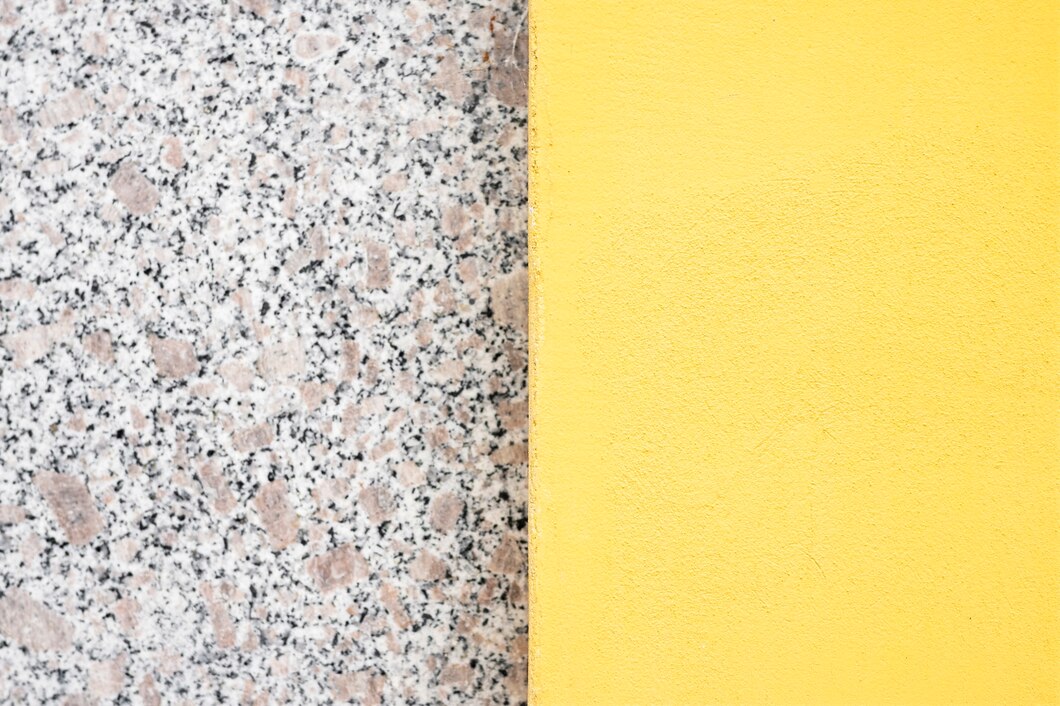
Granite and limestone are two popular options for choosing the ideal stone for your home or business. Both are beautiful and durable, but have different properties suitable for a variety of purposes.
Consider granite and limestone for your home, and then understand their differences. If you are searching for granite stone benchtops, granite floor tiles, limestone benchtops, limestone flooring, etc., you can visit MTP Stone. Now, in this blog, let’s explore the differences between the stones.
What is Granite?
Granite, a naturally occurring magmatic rock, slowly crystallizes as magma beneath the Earth’s surface. Its main components are mica, feldspar, and quartz, so it has an unmistakable appearance at times. The natural educational process makes each granite plate have a different pattern, making every installation unique.
Granite is also used for many purposes like countertops, floor tiles, and paving stones. The most common one is stone benchtops, which are very popular in homes.
Important Features of Granite
- Hardness: Granite’s high MOH hardness makes it incredibly resistant to daily wear and scrapes.
- Storage period: This stone can withstand warmth, dirt, and strong use. This is perfect for kitchen bends, floors, and even outdoors.
- Appearance: Granite receives a variety of colors and patterns with unique veins and spots that give a gorgeous note.
- Easy to maintain: The ceiling requires little attention, but additional protection against dirt.
- Resistance to Elements: Granite is a suitable choice for indoor and outdoor applications due to its exceptional moisture resistance.
What is Limestone?
Limestone is a sedimentary rock that is mostly made of calcium carbonate. Over millions of years, marine animals, shells, and corals have accumulated to form this material. Its homogeneous, earthy appearance makes it ideal for rustic themes.
Important Features of Limestones
- Softness: Compared to granite, limestone is comparatively soft and readily scratched when subjected to heavy use.
- Porosity: Limestone is more porous than granite. This means it absorbs moisture immediately. Sealing is required to avoid color and damage caused by liquids.
- Natural Appearance: The sensitive texture and tone of the limestone convey a warm and attractive feeling in any environment.
- Weathering: Acidic elements such as vinegar and citrus fruits can lead to deterioration, but they are old.
Due to its wide range of colors and surfaces, limestone is often used in interiors, landscape designs, and even sculptures.
Difference Between Granite vs. Limestone: A Detailed Comparison
Durability & Strength
- Granite is much harder than limestone. Very resistant to scratches, heat, and strong effects. This makes it perfect for high-traffic areas, outdoor use, kitchens, and flooring. It is mainly used as granite stone benchtops.
- Limestone, on the other hand, is softer and more prone to erosion. It is more suitable for decorative purposes than areas with strong effects or uses.
Appearance & Variety
- Both stones offer a unique aesthetic, while granite offers more color and sample variations. Natural stains and animals in granite can give the character of the room and make each part unique.
- Limestone, on the other hand, offers a more consistent and uniform look with calm, natural tones that suit the traditional and contemporary environment.
Maintenance & Care
- Granite requires minimal maintenance. Of course, it is resistant to dirt, but sealing the surface will improve durability. Cleaning is simply mild; usually, warm water is sufficient.
- However, limestone is more porous and sensitive to dirt, so attention is required. Regular sealing is required to prevent the absorption of color and moisture. Acidic cleaners should be avoided to prevent damage.
Usage & Applications
- Granite is usually used for benchtops, kitchen countertops, floors, wall coverings, and external applications due to its durability and thermal strength. At MTP Stone, you can get licensed granite stone benchtop experts who change your home vibes aesthetically.
- Limestone is ideal for flooring, wall paneling, fireplaces, and decorative features. Its timeless appeal makes it a popular choice for historical structures and monuments. However, due to its softness and porosity, it is not suitable for kitchen tanks.
Cost & Affordable Prices
- Granite is often more expensive than limestone because of its durability and longevity. However, the cost of each stone is determined by criteria like quality, rarity, and installation fees.
- Limestone is inexpensive initially, but maintenance expenditures can accumulate over decades.
Environmental Impact
- Granite and limestone are natural stones that make better environmental choices than manufactured materials.
- However, limestone has a lower CO2 footprint than granite since quarries and processes use less energy. If sustainability is a primary issue, limestone may be a better choice.
Which One Should You Choose?
Your choice between granite and limestone depends on where and how you plan to use the stone.
- The greatest choice for sturdy and long-lasting materials for your bathroom or kitchen endeavors is granite. They offer strength, heat resistance, and ease of upkeep.
- Limestone might work better with flooring or decorative accessories if you like a softer, rustic style. Although it needs more upkeep, it has a more conventional appearance.
- Granite is an excellent choice for outdoor applications because of its low maintenance needs and lack of weather resistance.
- Limestone can be an inexpensive option if money is tight, but it needs to be sealed and maintained to keep its beauty.
Conclusion
Both granite and limestone offer special properties, so the best option for you will depend on your special requirements. If you know the properties of these stones, you can carefully choose whether to design your outdoor area, bathroom, or kitchen.
If you are looking for high-quality stone options to get the ideal one for your project, then consult with an expert. At MTP Stone, you can get various types of granite and limestone materials that suit your interior.
You can choose between them wisely, whether you are looking for granite stone benchtops, limestone benchtops, granite flooring, or limestone bathroom vanities. So, don’t wait for too long, consult with our experts, and start renovating your home today!
FAQs
Q:- Is granite or limestone better for a kitchen benchtop?
Ans: Granite is the better choice for a kitchen benchtop due to its durability, resistance to heat and stains, and low maintenance needs. Limestone is more porous and prone to staining, making it less ideal for kitchen surfaces.
Q: Can limestone be used outdoors?
Ans:- Yes, limestone can be used outdoors, but it requires sealing and regular maintenance to prevent weathering and staining. It is best suited for patios, garden paths, and decorative walls rather than high-traffic areas.
Q:- Does granite need to be sealed?
Ans:- While granite is less porous than limestone, it is still recommended to seal it to enhance its stain resistance and longevity. Sealing should be done every 1-2 years, depending on usage.
Q:- How do I clean a granite stone benchtop?
Ans:- Use mild soap and warm water to clean granite stone benchtops. Avoid harsh chemicals and acidic cleaners, as they can damage the sealant and dull the surface over time.
Q: Is limestone a good option for flooring?
Ans: Limestone is a popular choice for flooring due to its natural look and warmth. However, it requires regular sealing and maintenance to prevent stains and scratches, especially in high-traffic areas.