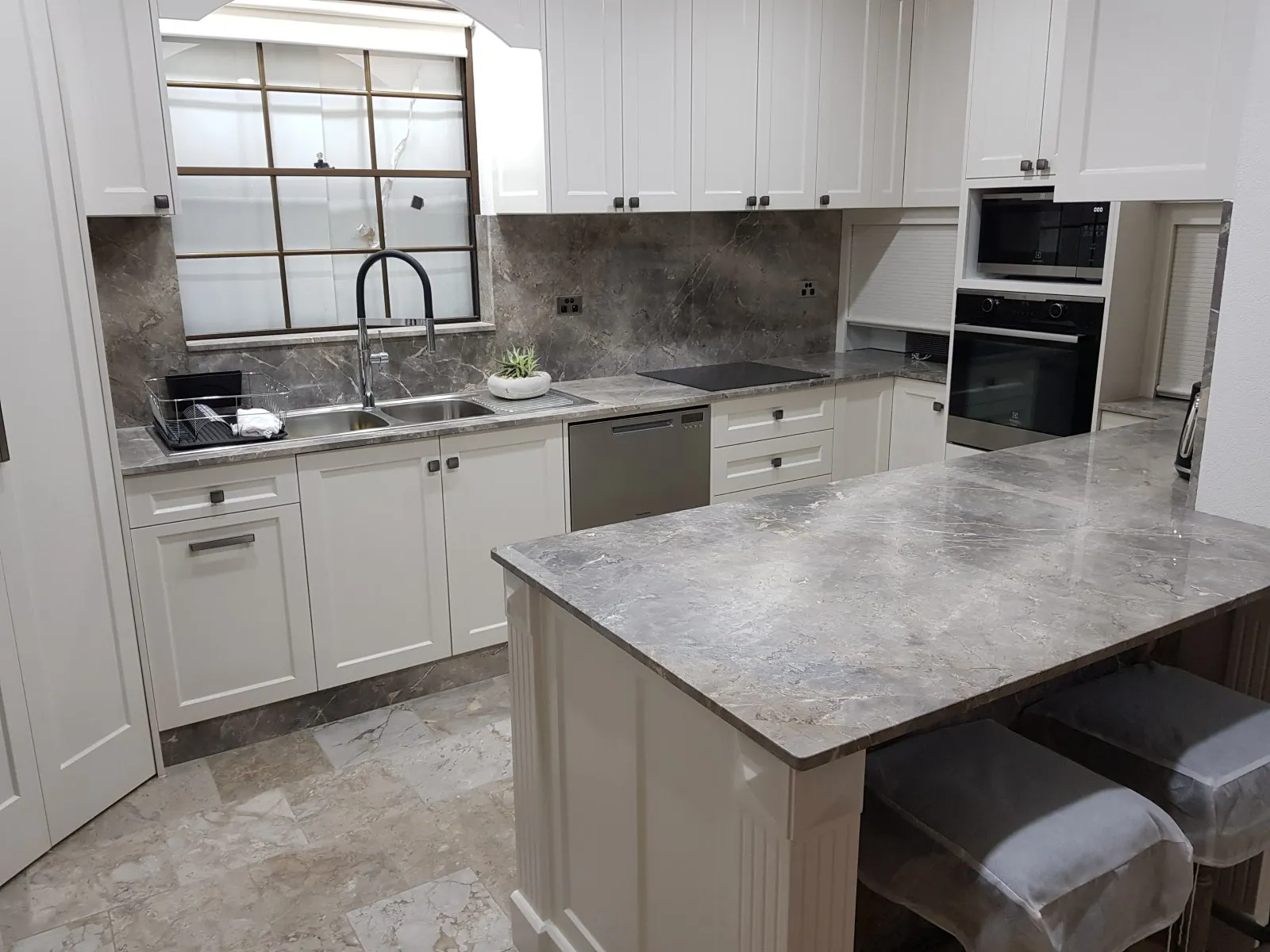
Stone benchtops are one of the best upgrades you can make in your kitchen, bathroom, or laundry. They look fantastic, lasting for years, making every room feel more modern. But the question people ask before it starts is, “How much do stone benchtops cost?”
Planning renovations or building new homes will help you understand the different types of stones, their costs, and more about them in this MTP Stone blog. It also explains options such as sandstone benchtops and provides tips for comparing prices and choosing the right price.
Let’s break it all down in a way that’s easy to follow.
What Is a Stone Benchtop?
A stone benchtop is a countertop made of natural or constructed stone. These benchtops are often used in the kitchen, drawing room, and even outdoors. It’s strong, stylish, and easy to clean.
There are different kinds of stone benchtops, such as:
- Granite
- Marble
- Quartz
- Engineered stone (like Caesarstone or Essastone)
- Sandstone
Each type of stone has its price, look, and level of durability.
So, How Much Do Stone Benchtops Cost in Australia?
The cost of stone benchtops in Australia can range from $300 to $2,500 per square meter, depending on the stone type, size, edge finish, and installation. Here’s a quick price guide:
| Stone Type | Approximate Cost (per m²) |
| Granite | $500 to $1000 |
| Marble | $500 to $1000 |
| Limestone and Sandstone | $400 to $600 |
| Engineered Stone | $300 to $1000 |
Keep in mind: These prices include supply, cutting, and installation but can change based on your project’s details.
Factors That Affect Stone Benchtop Prices
Let’s look at what can increase or decrease the cost of your stone benchtop:
1. Stone Type
- Some stones are rarer or harder to work with, so they cost more. For example, marble and granite are more expensive than engineered stone.
2. Thickness
- Standard benchtops are around 20mm thick. If you want a thicker benchtop, like 40mm, it may cost more due to the extra material and work.
3. Edge Profile
- Basic square edges are cheaper, but fancier edge finishes like bullnose or beveled can raise the price.
4. Cutouts and Polish
- If you need cutouts for a sink, cooktop, or points, this will add to the cost. Polishing around sinks or waterfall edges also adds to the final price.
5. Size and Shape
- Bigger kitchens or unusual shapes require more stone and more work, which means more cost.
6. Installation
- Professional installation is usually included in the price, but complex installs might require extra labor or lifting equipment.
Why Choose a Sandstone Benchtop?
A sandstone benchtop is a natural, earthy option that brings a soft, warm look to your space. It’s perfect for homes with a rustic or beachy vibe.
Pros of Sandstone Benchtops:
- Beautiful, unique patterns
- Warm and natural appearance
- Great for outdoor kitchens or feature areas
Things to Keep in Mind:
- Softer and more porous than granite or quartz
- Needs sealing to protect from stains
- Best for low-traffic areas or places without a lot of spills
If you love a natural, earthy look and don’t mind a bit of maintenance, a sandstone benchtop could be perfect.
Comparing Popular Stone Benchtop Materials
Let’s compare some of the most common stone types so you can choose what’s right for you:
| Feature | Granite | Marble | Engineered Stone | Quartz |
| Appearance | Speckled, bold | Soft, veiny | Consistent look | Glossy, bright |
| Durability | Very high | Medium | High | High |
| Maintenance | Low | High | Low | Low |
Each material has its pros and cons. If you want beauty and strength, granite or engineered stone is ideal. If you’re after something more rustic and natural, sandstone might be your style.
How to Save Money on Stone Benchtops
Here are some tips to help you keep costs down without sacrificing style:
1. Choose a Mid-Range Stone
- Instead of premium marble or imported granite, go for mid-range quartz or engineered stone.
2. Keep the Design Simple
- Avoid fancy edge profiles and stick with a basic shape. Waterfall edges look great, but they add extra cost.
3. Buy Remnants
- Off-cuts or leftover slabs from other jobs can be cheaper if you don’t need a huge benchtop.
4. Stick with Standard Thickness
- 20mm thickness is the standard for a reason. It’s durable, good-looking, and more budget-friendly.
5. Use Local Suppliers
- Working with a local expert like MTP Stone can help reduce costs and avoid delays.
Where to Use Stone Benchtops
Stone benchtops aren’t just for kitchens. Here are other spots you can install them:
- Bathroom vanities
- Laundry rooms
- Outdoor BBQs
- Home bars
- Reception desks
Whether it’s a bold granite slab in your kitchen or a soft sandstone benchtop on your outdoor table, there’s a stone option for every room.
Also Read:- Where Marble is Found?
Final Thoughts
How much do stone benchtops cost? As you saw, the answer depends on the stone you choose, your design, and where it is installed. From classic granite to rustic sandstone bench styles, there’s something for every requirement and budget.
MTP Stone makes the process easier, whether you need a slim, modern kitchen or a cozy, rustic room. Our team will guide you from stone selection to final installation. So, let’s get started with us and make your home look stunning.
FAQs
Q. Is an engineered stone benchtop cheaper than natural stone?
Ans: Yes, engineered stone is usually cheaper than granite or marble. It’s also easier to maintain and comes in many patterns and colors.
Q. Is sandstone suitable for kitchen benchtops?
Ans: Sandstone benchtops look breathtaking and offer a natural feel but they are softer than other stones and require more maintenance. Ideal for use in functional areas or outdoors.
Q. Do stone benchtops scratch easily?
Ans: Most stone benchtops, such as granite and quartz, are scratch-resistant. Soft stones such as sandstone and marble can be scratched more easily if not properly sealed.
Q. How long do stone benchtops last?
Ans: With proper care, stone benchtops can last more than 20 years. They are extremely durable and will give your home long-term value.
Q. Can it be used outdoors?
Ans: Yes! Materials such as granite and sandstone are often used outdoors, especially when they are sealed in weather or spill conditions.